
Automation
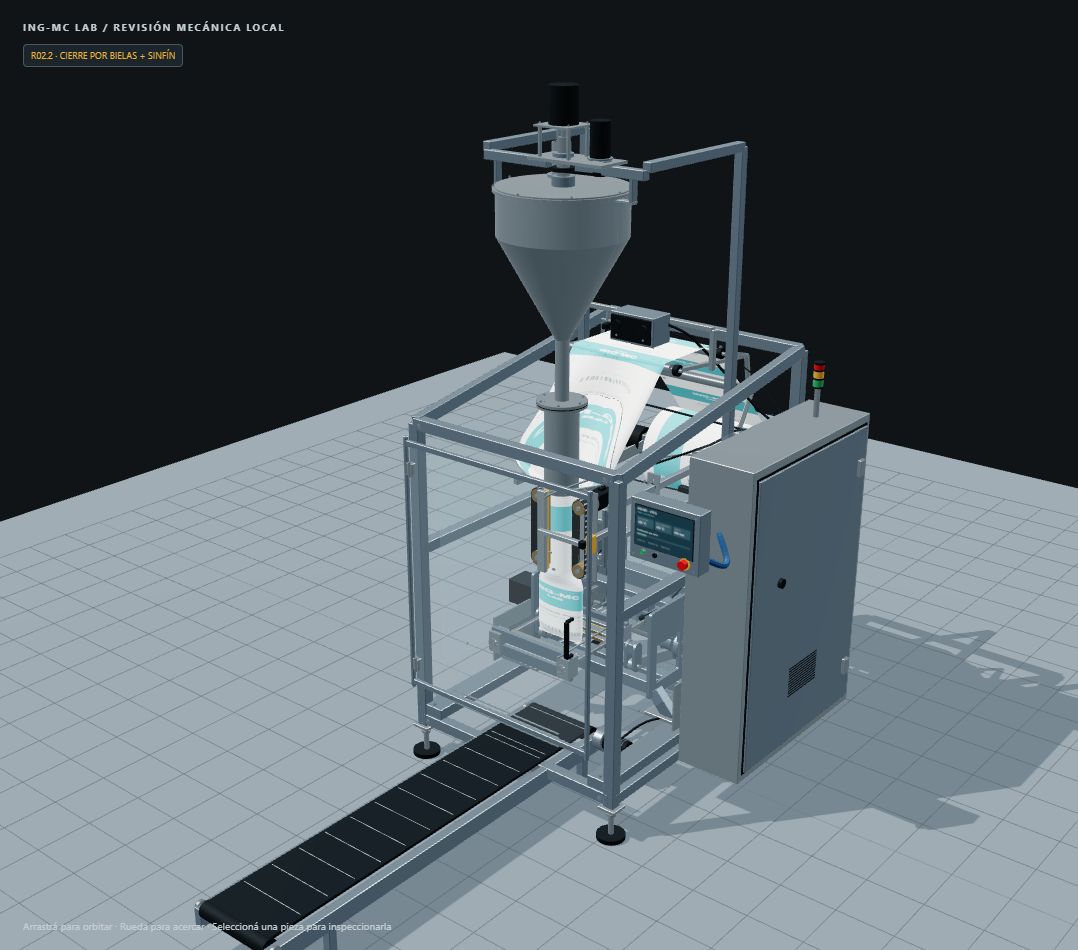
VFFS jaw linkage — audit the four-rod closure
Inspect the R02.2 cross-seal linkage with its actual 75 mm crank, 325 mm rods, jaw travel and motion-closure checks.
Guides to PLC recovery, Ignition data quality, Modbus registers, IoT telemetry, machine cycles and 3D handoff. Read a worked example, then try the associated tool or demo.
20 guides
Inspect the R02.2 cross-seal linkage with its actual 75 mm crank, 325 mm rods, jaw travel and motion-closure checks.

Map Home Assistant entities to rooms and components without confusing an unknown state with a closed door or a switched-off light.

Separate editable design, print preparation and browser visualization so the recipient gets the right file without unintended design disclosure.
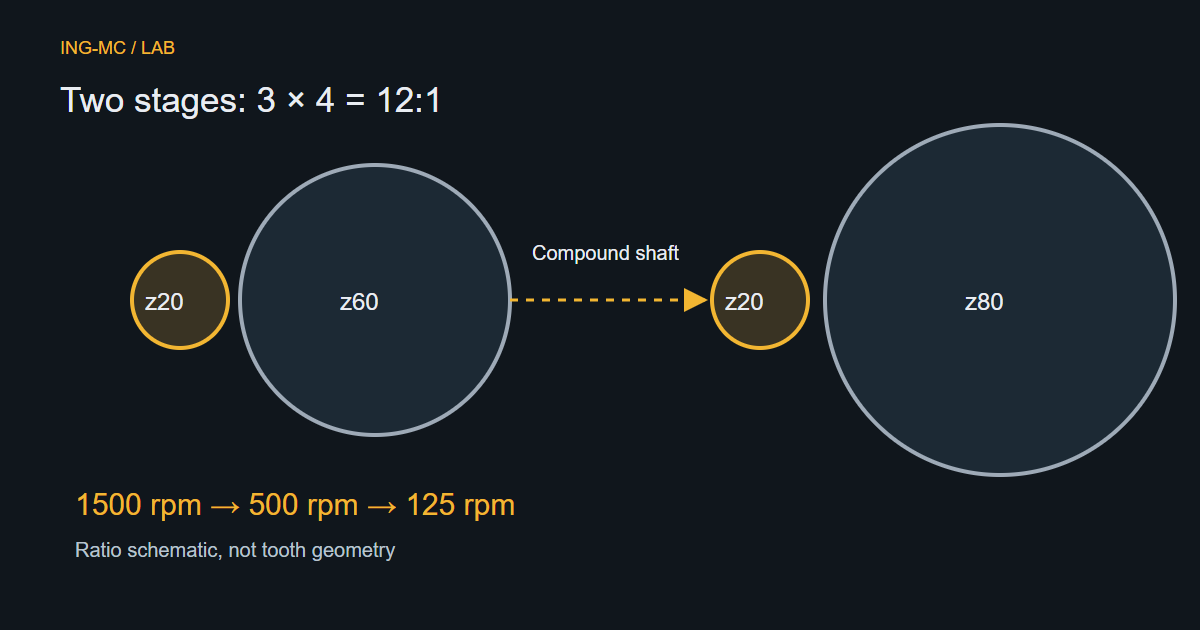
Work through a two-stage reduction, distinguish ideal torque from assumed losses and see why tooth counts alone cannot size a gearbox.

Distinguish a manual's register reference from the PDU address, then check function code, scaling and multi-register word order.
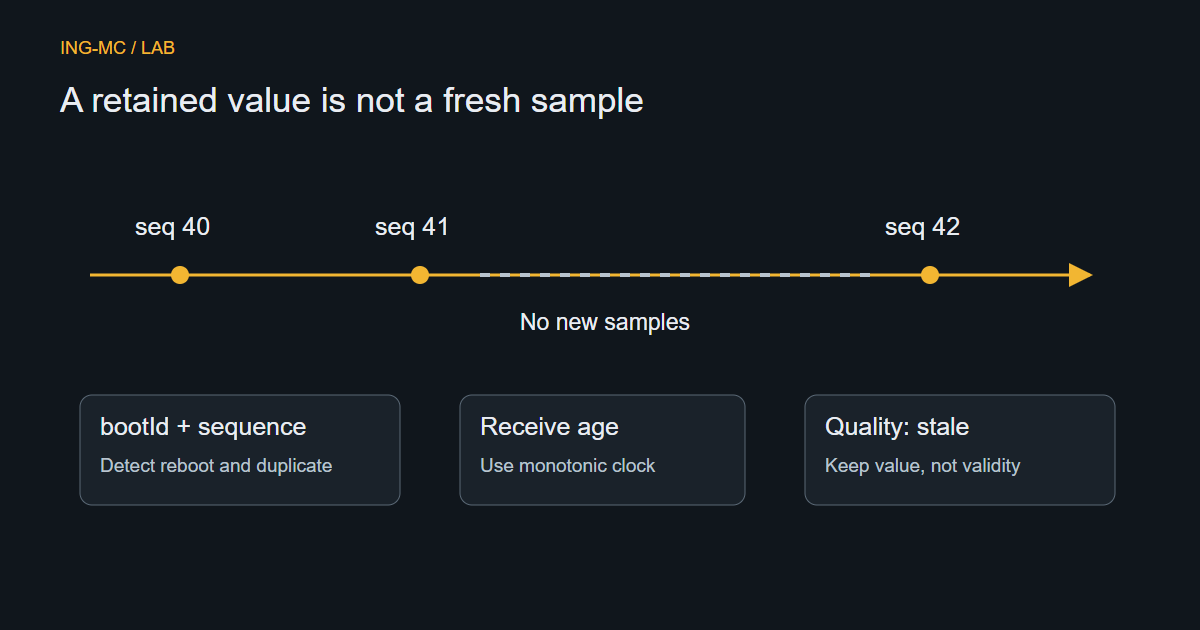
Use session identity, sequence numbers and freshness checks to distinguish a valid sample from a retained value, a retry or a reboot.
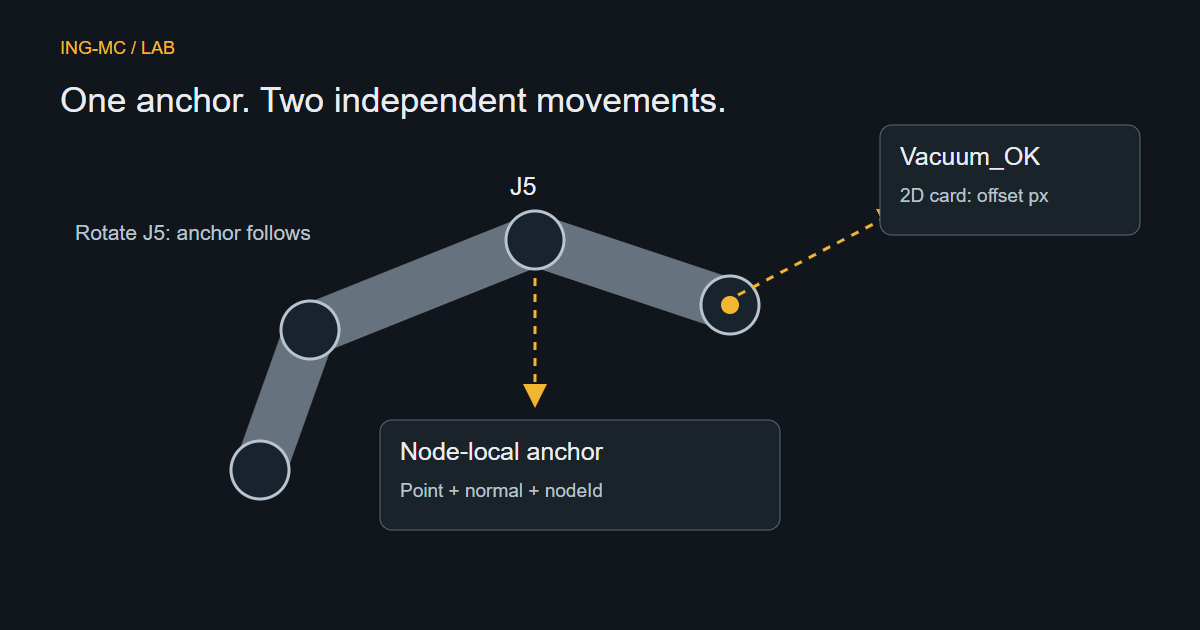
Store a surface anchor in its semantic node's coordinates and keep the screen-space card offset separate, so articulation does not detach the label.
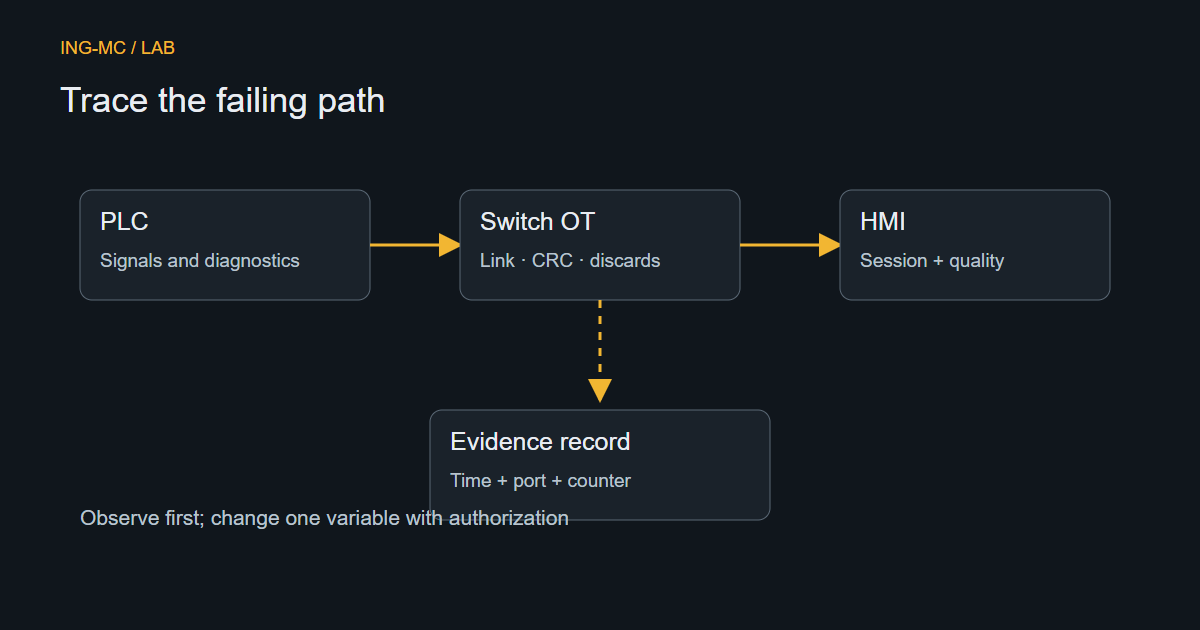
Follow the actual PLC-to-HMI path, compare counter changes and separate physical errors, addressing problems and application failures.
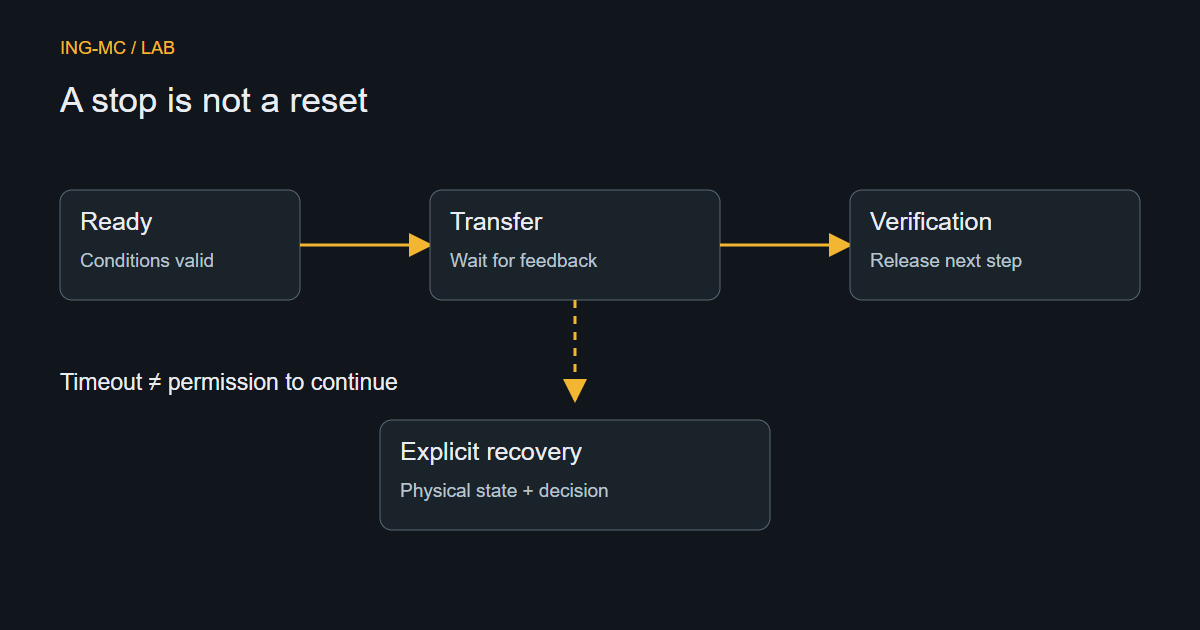
Separate requests, sequence steps and physical feedback so a stopped transfer does not resume from an impossible condition.
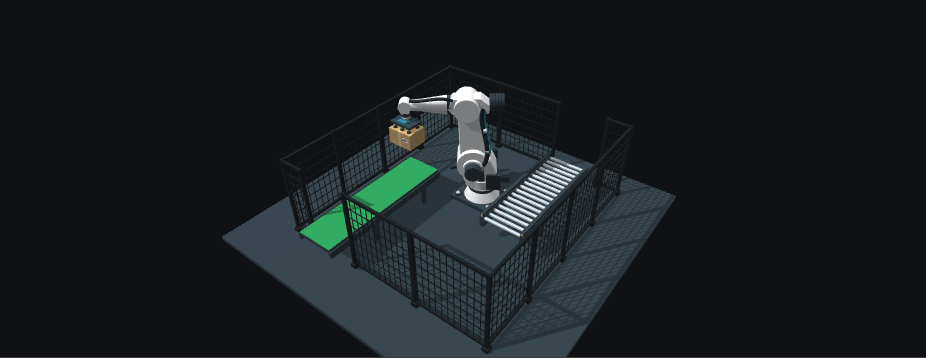
Follow a one-box transfer and understand why pickup, placement and Home are enabled only in the appropriate simulator states.
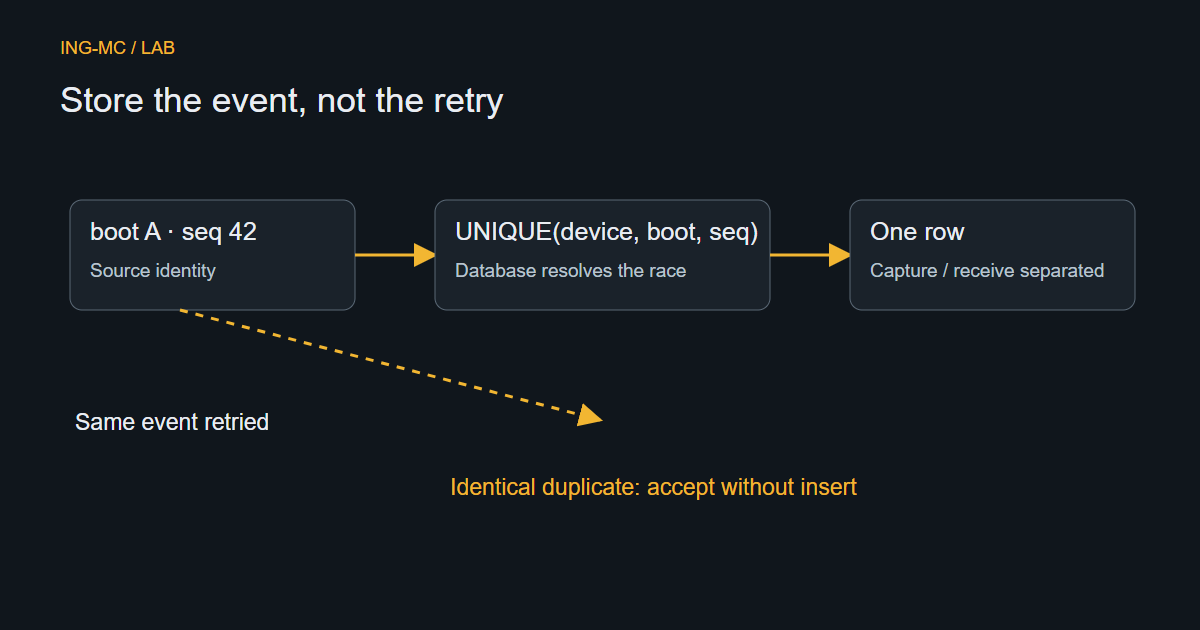
Give events a source identity, keep capture and receipt times separate, and enforce duplicate handling in the database rather than the UI.

Inspect the turntable, carriage and film roll, then relate their visual motion to coverage, overlap and the signals a real machine would need.
Trace the film path, intermittent jaw cycle, auger dose and independent knife in ING-MC's R02.2 bagger model.

What a scene file stores, how it references 3D assets, and what you need to share it with another Studio user.
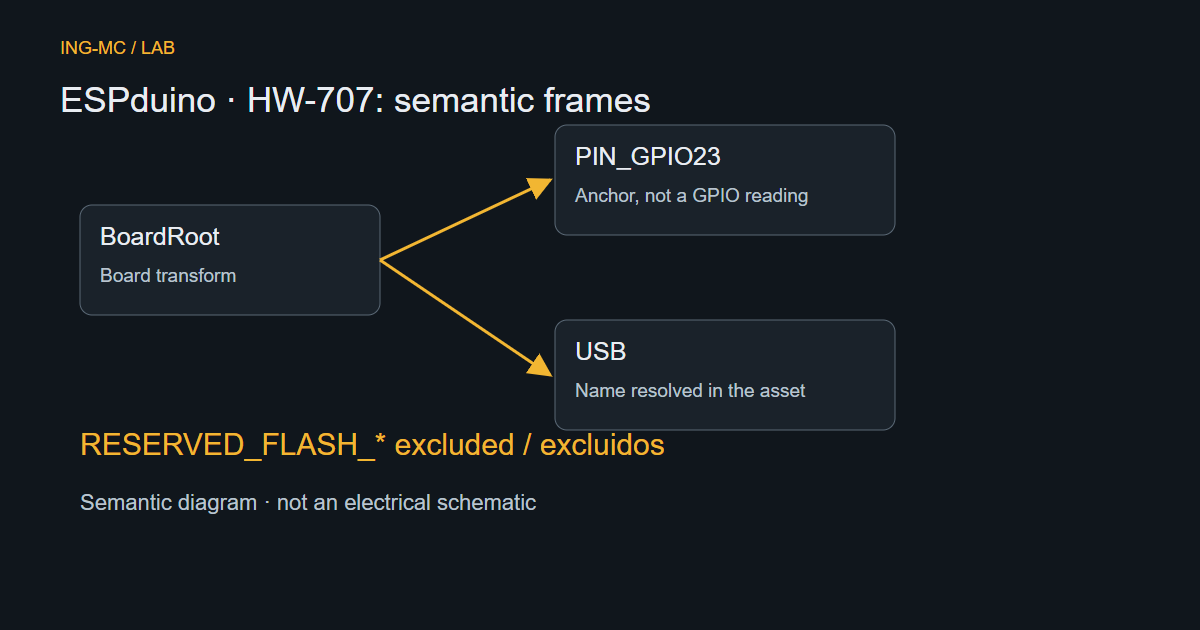
An overview of the ESPDuino-32 HW-707 R02 model, its pin anchors, reference sources, and limits for physical design.

What an offline robot-cell simulation can show—and what to define before connecting a digital twin to real data.

How an interactive UNO R3 model maps official board CAD and electrical nets to named 3D anchors—and where that model must not be used as manufacturing data.
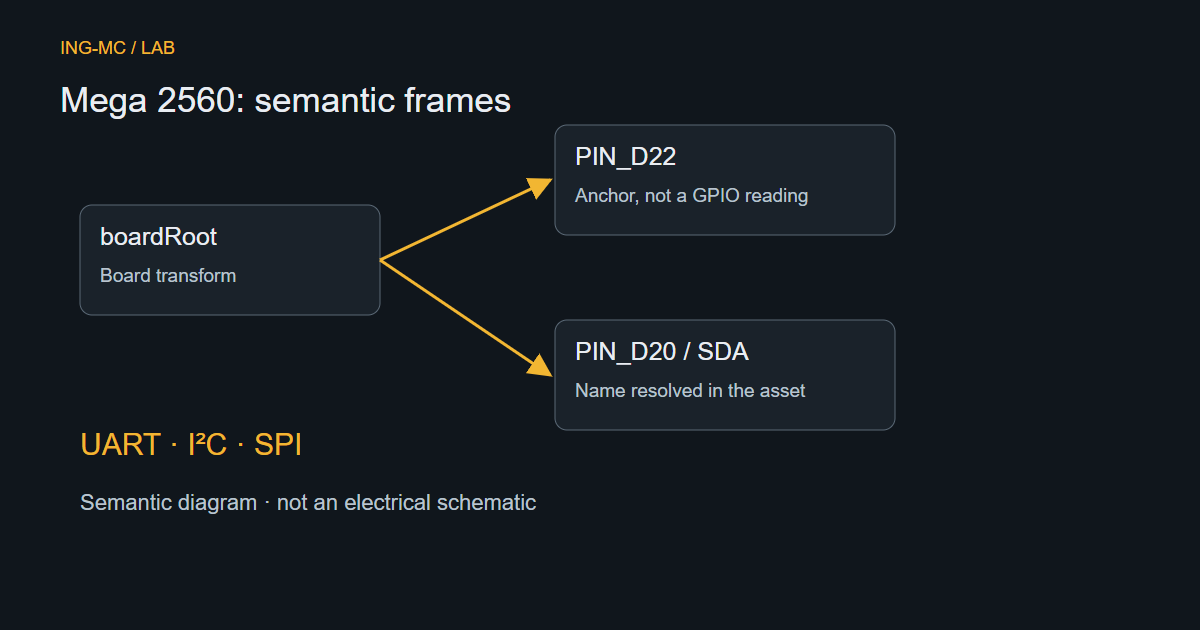
A practical guide to the 98 named anchors in ING-MC's Mega-compatible visual model, including aliases, ICSP ownership, and approximation boundaries.

Bind resolved values to a visual component without losing their units, quality or age, and test missing-data behavior before using live signals.
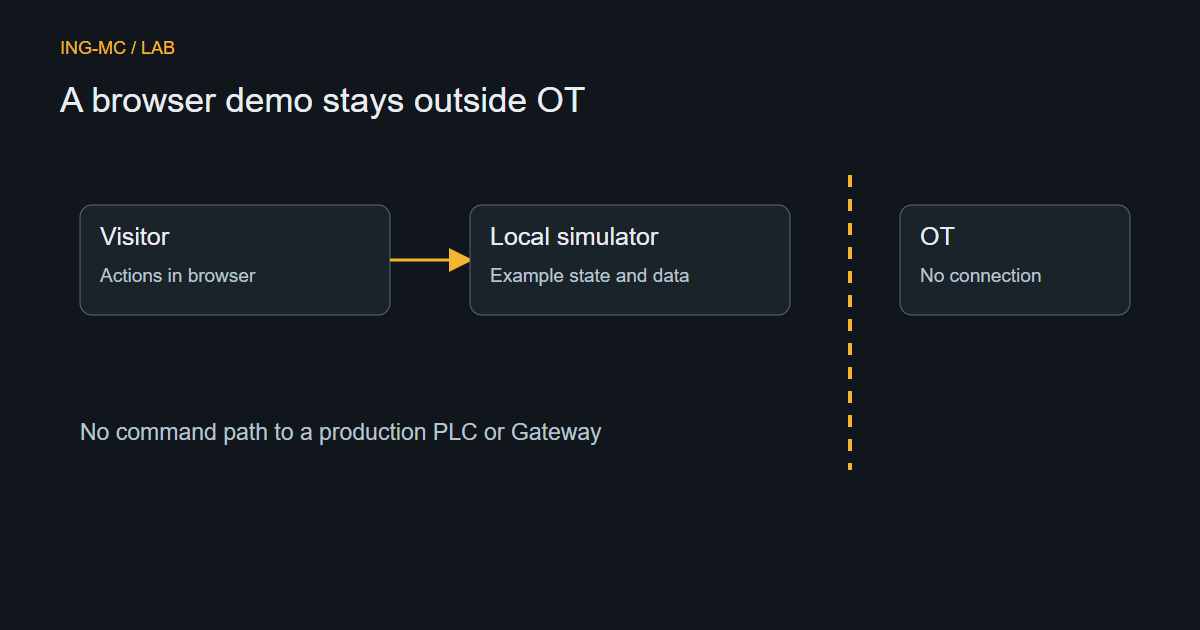
A checklist for keeping a public demonstration useful without connecting it to customer systems, production data, or unsafe controls.
No guide matches this search. Try another word or select all subjects.